
Most full roof replacements in South Florida start as small, ignored repairs. The most common warning signs that your roof needs a repair — before the damage forces a full replacement — are cracked or slipped tiles, curling or missing shingles, granules collecting in gutters, ceiling stains, daylight or moisture in the attic, sagging roof lines, and flashing gaps around vents and chimneys. In 2026, a targeted roof repair in Miami-Dade or Broward typically runs $400–$2,500, while a full replacement runs $12,000–$30,000+ — which is why Canopy Roofing always recommends a professional inspection at the first sign of trouble, not the fifth.
Why Small Roof Problems Become Full Replacements in South Florida
South Florida roofs live a harder life than almost anywhere in the country: UV exposure year-round, daily summer thunderstorms, salt air near the coast, and hurricane-force wind events. A lifted shingle or a hairline tile crack that would sit harmlessly for years in a dry climate lets water into the underlayment within one rainy season here. Once water reaches the deck, rot spreads — and rotted decking is one of the main things that turns a repair-level job into a full replacement.
There’s a legal angle too. Under Florida’s 25% rule (updated by SB 4-D/SB 2D-era reforms), if more than 25% of your roof needs work within a 12-month period, and the roof isn’t built to the 2007 Florida Building Code or newer, the whole roof may have to be brought up to code — meaning replaced. Catching damage while it’s under that threshold is often the difference between a four-figure repair and a five-figure replacement.
7 Signs Your Roof Needs a Repair — Before It’s Too Late
1. Cracked, Slipped, or Missing Tiles
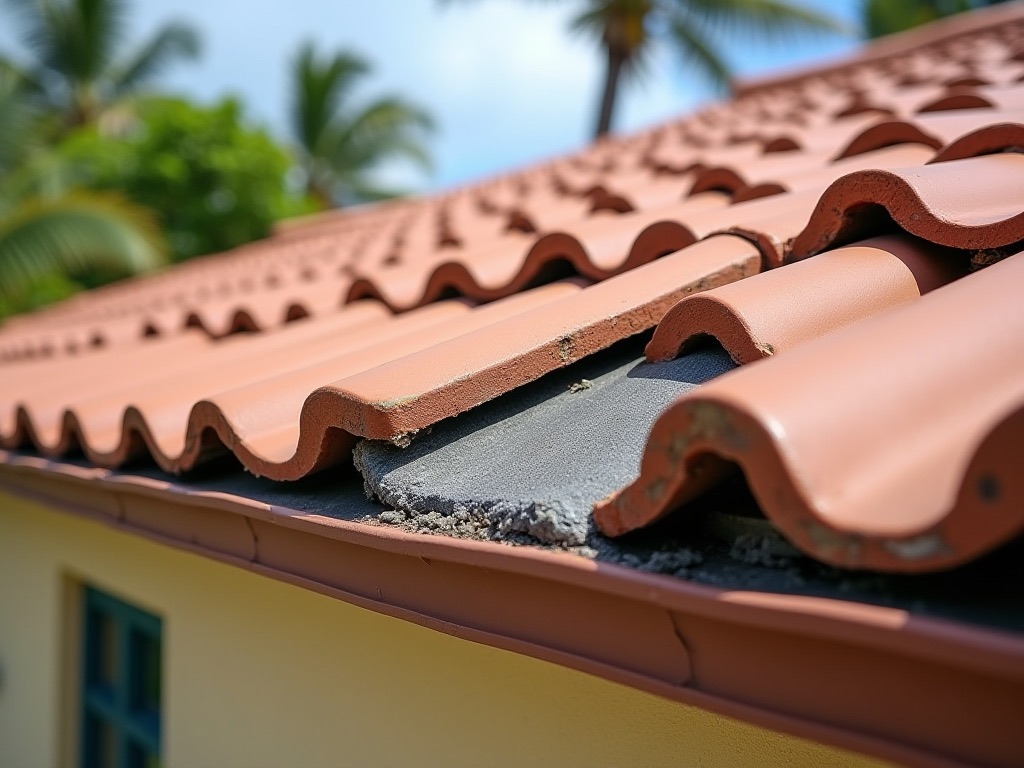
On tile roofs — the most common style from Pinecrest to Plantation — a single cracked or displaced tile exposes the underlayment beneath it. The underlayment, not the tile, is your real waterproofing layer, and Florida sun degrades exposed underlayment fast. A handful of tiles can be repaired in a day; wait a year and you may be re-doing entire slopes.
2. Shingles That Are Curling, Cupping, or Losing Granules
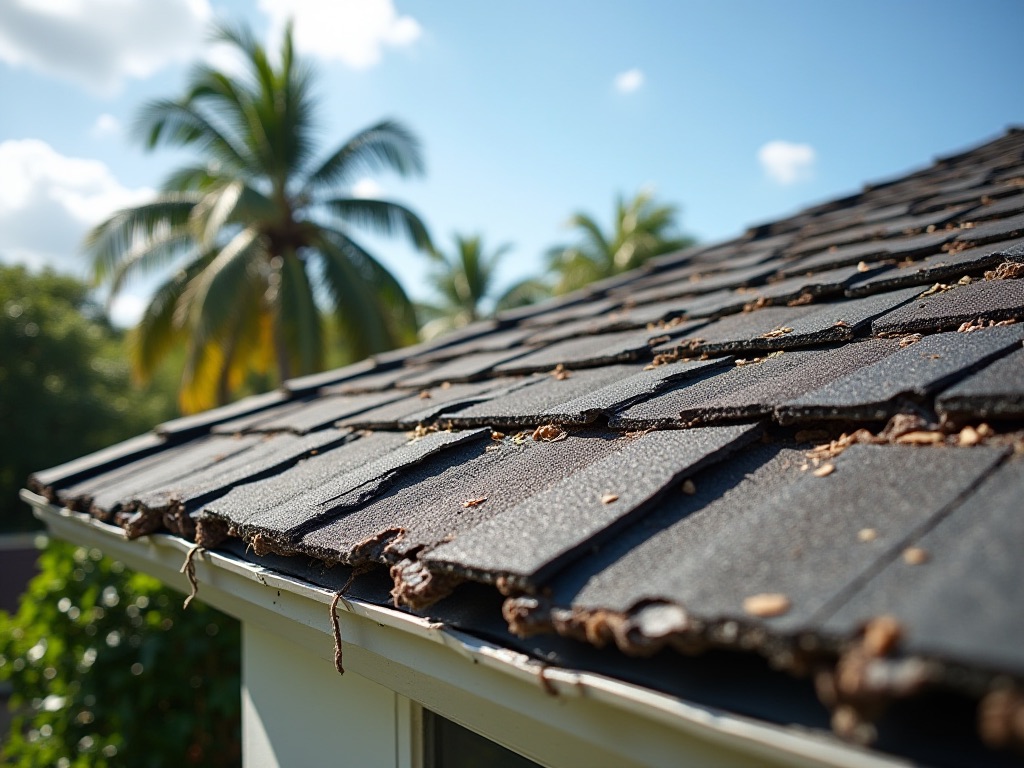
Check your gutters and downspout splash areas. A sandy layer of granules means your shingles are shedding their UV armor. Curled edges mean wind can get underneath — and in a storm, one lifted shingle becomes a peeled section. Localized shingle repair is inexpensive; widespread granule loss across the whole roof is an aging sign worth a professional opinion.
3. Water Stains on Ceilings or Walls
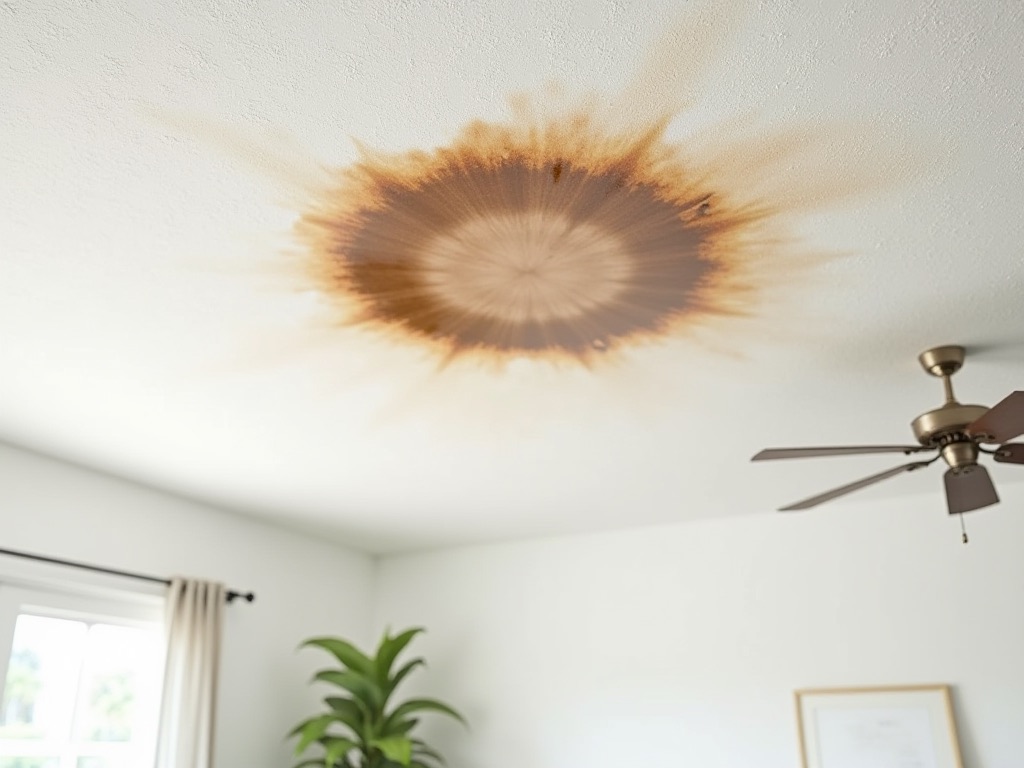
A brown ring on the ceiling means water has already traveled through the roof system. Because water runs along rafters and decking before it drips, the stain is often nowhere near the actual entry point — which is why DIY patching so often misses. This is the single most common call we get in Coconut Grove and Miami Shores, and caught early it’s usually still a repair.
4. Daylight or Moisture in the Attic
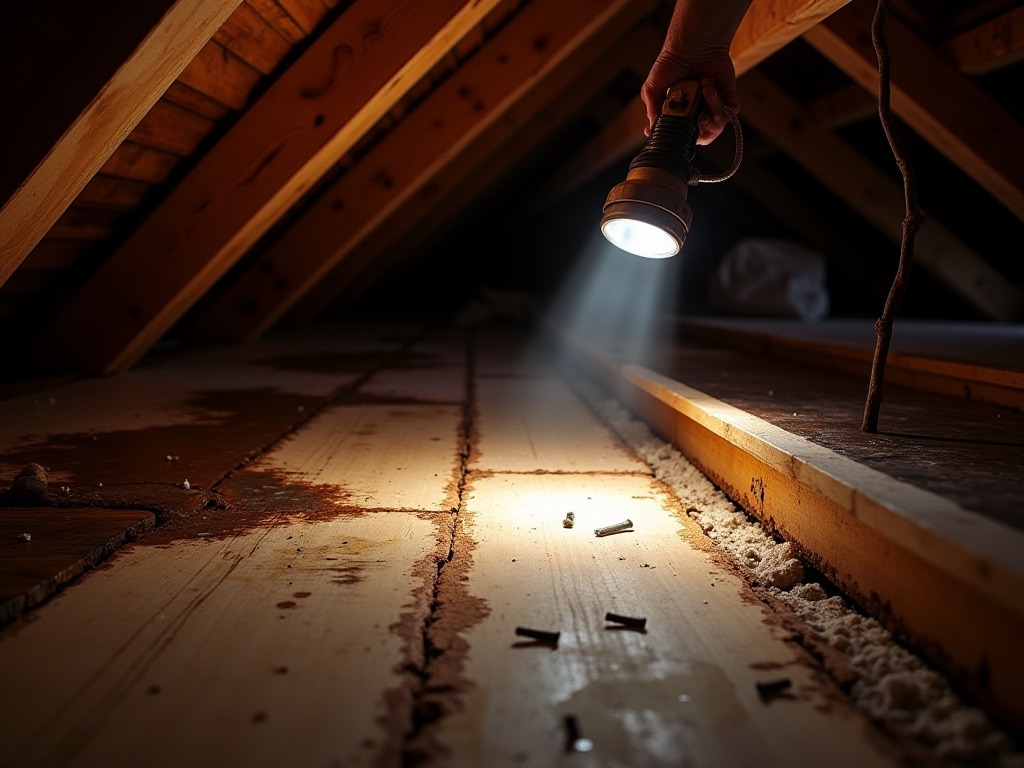
Step into the attic on a bright day with the lights off. Pinpoints of daylight, damp insulation, or a musty smell all mean the roof envelope is compromised. Wet insulation also loses its R-value, so your AC bill quietly rises months before a leak ever shows on the ceiling.
5. Flashing Gaps Around Vents, Skylights, and Chimneys
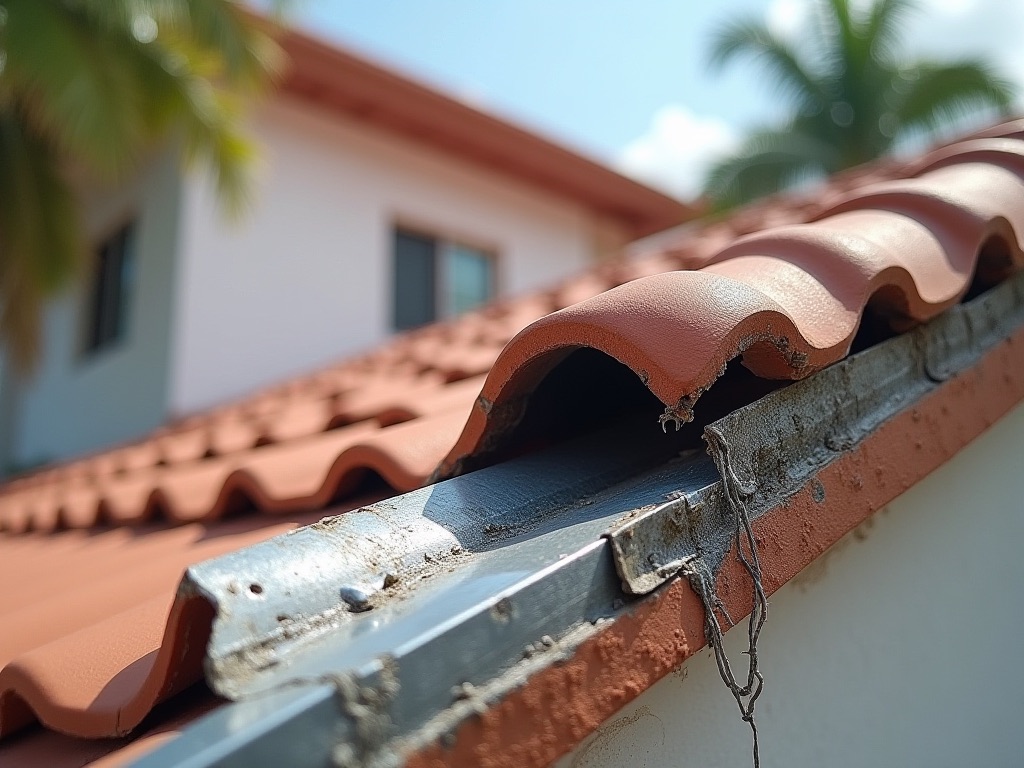
Most leaks don’t start in the field of the roof — they start at penetrations. Cracked pipe boots, rusted valley metal, and lifted flashing around skylights are cheap, fast repairs that prevent expensive deck damage. If you have skylights more than 10–15 years old, have their seals checked at the same time.
6. Sagging Roof Lines or Spongy Decking
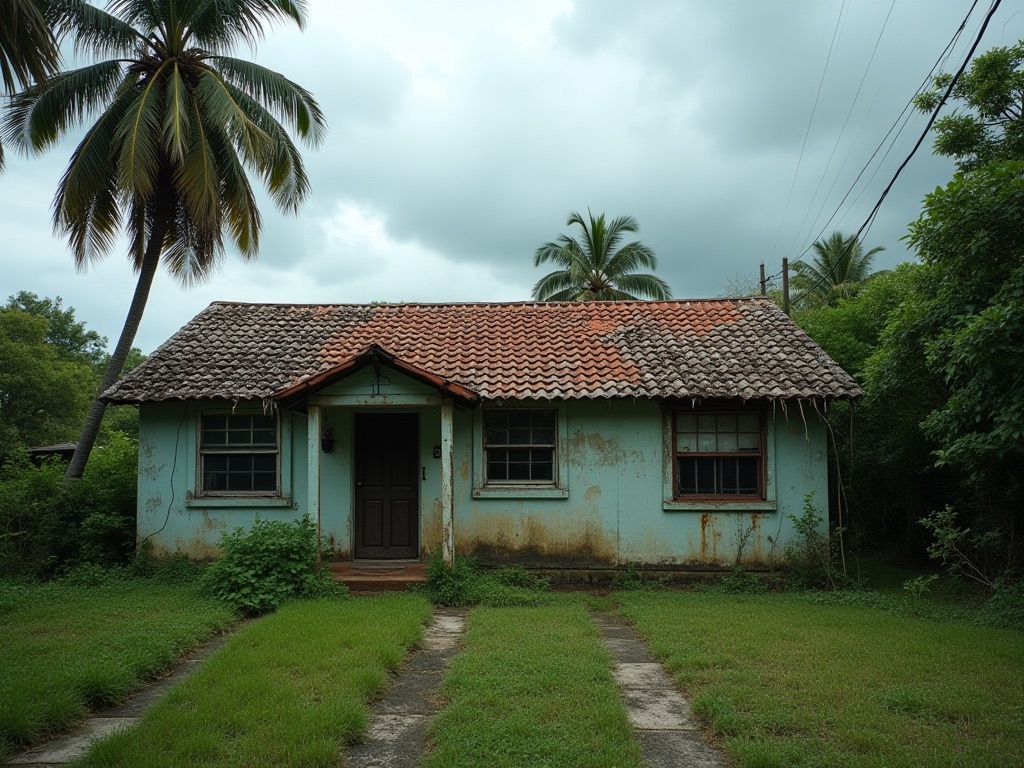
Stand across the street and sight along your ridge line. Any dip or wave suggests the decking below is absorbing moisture and weakening. A small soft spot can still be cut out and re-decked as a repair; a broadly sagging plane usually means the moisture has been there for years — and that’s replacement territory. Don’t wait on this one.
7. Ponding Water or Blisters on Flat Roofs
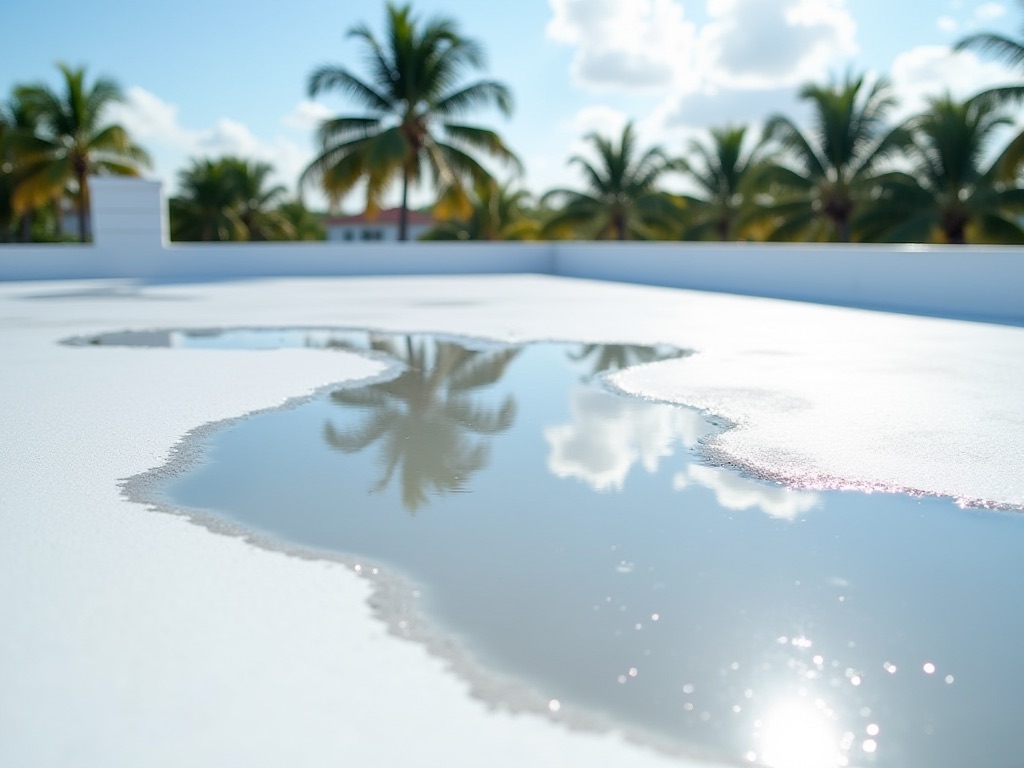
On flat and low-slope sections — common in Miami Beach and older Miami homes — water that stays 48+ hours after rain, bubbling, or alligatored coating are early failure signs. Re-coating or sectional membrane repair costs a fraction of a tear-off, but only while the insulation underneath is still dry.
Roof Repair vs. Full Replacement: 2026 Cost Comparison
| Problem Caught Early (Repair) | Typical 2026 Cost | Same Problem Ignored (Replacement-Level) | Typical 2026 Cost |
|---|---|---|---|
| Replace 5–20 cracked tiles | $400–$1,200 | Tile roof replacement | $15,000–$30,000+ |
| Shingle section repair | $450–$1,500 | Shingle roof replacement | $12,000–$20,000 |
| Flashing / pipe boot repair | $300–$900 | Deck rot + partial re-roof | $6,000–$15,000 |
| Flat roof re-coat / patch | $800–$2,500 | Flat roof tear-off & replace | $9,000–$18,000 |
Ranges reflect typical Miami-Dade and Broward pricing in 2026; every roof is different — permits, roof size, material, and HVHZ requirements affect final cost. Ask about financing options for larger jobs.
Not sure if it’s a repair or a replacement?
Canopy Roofing will inspect it and tell you straight — no upselling a replacement you don’t need.
Miami-Dade: (786) 523-4999 · Broward: (754) 331-1561
When a Repair Is No Longer the Right Call
We’re a repair-first company, but honesty matters more: if your roof is 20+ years old, has widespread granule loss or brittle tiles, has been patched three or more times in a few years, or exceeds Florida’s 25% rule threshold, continuing to repair is throwing good money after bad. At that point a re-roof — often paired with insurance savings from a new wind mitigation report under Florida’s 15-year insurance rules — is usually the smarter spend. See our Miami & Broward roof cost guide for full replacement pricing.
Frequently Asked Questions
How do I know if my roof needs repair or replacement?
If damage is localized (a few tiles, one leak point, one flashing failure) and your roof is under ~15–20 years old, it’s usually repairable. Widespread wear, repeated leaks, soft decking, or damage over 25% of the roof area typically points to replacement. A professional inspection settles it in under an hour.
How much does a roof repair cost in Miami in 2026?
Most residential roof repairs in Miami-Dade and Broward run $400–$2,500 in 2026, depending on material, access, and the extent of hidden water damage. Emergency tarping or storm calls can add to that.
Can I wait until hurricane season is over to fix my roof?
No — waiting is the most expensive option. A minor vulnerability before a storm becomes an insurance claim (or a denied one) after. Insurers can also deny claims where damage traces back to unaddressed pre-existing wear.
Will my insurance company make me replace my roof instead of repairing it?
Under Florida’s 25% rule, roofs built to the 2007 Florida Building Code or newer can generally be repaired even when more than 25% is damaged. Older roofs may be forced into full replacement once damage crosses that line — one more reason to repair early.
Is it worth repairing a 15-year-old roof in Florida?
Often yes — if the roof is fundamentally sound. But note that Florida insurers scrutinize roofs at 15+ years old; an inspection certifying 5+ years of remaining useful life can help you keep coverage while you plan the eventual replacement on your own timeline.
Serving Miami-Dade & Broward County
Miami
Coral Gables
Coconut Grove
Pinecrest
Key Biscayne
Miami Beach
Doral
Fort Lauderdale
Hollywood
Plantation
Coral Springs
Weston
Bottom line: the cheapest roof replacement is the one you never need. If you’ve spotted any of the seven signs above, Canopy Roofing will give you an honest repair-or-replace answer and a written estimate — free. Call Miami-Dade at (786) 523-4999, Broward at (754) 331-1561, or request your free estimate online.